
Satoshi Tomiie
The man who popularized house music in Japan
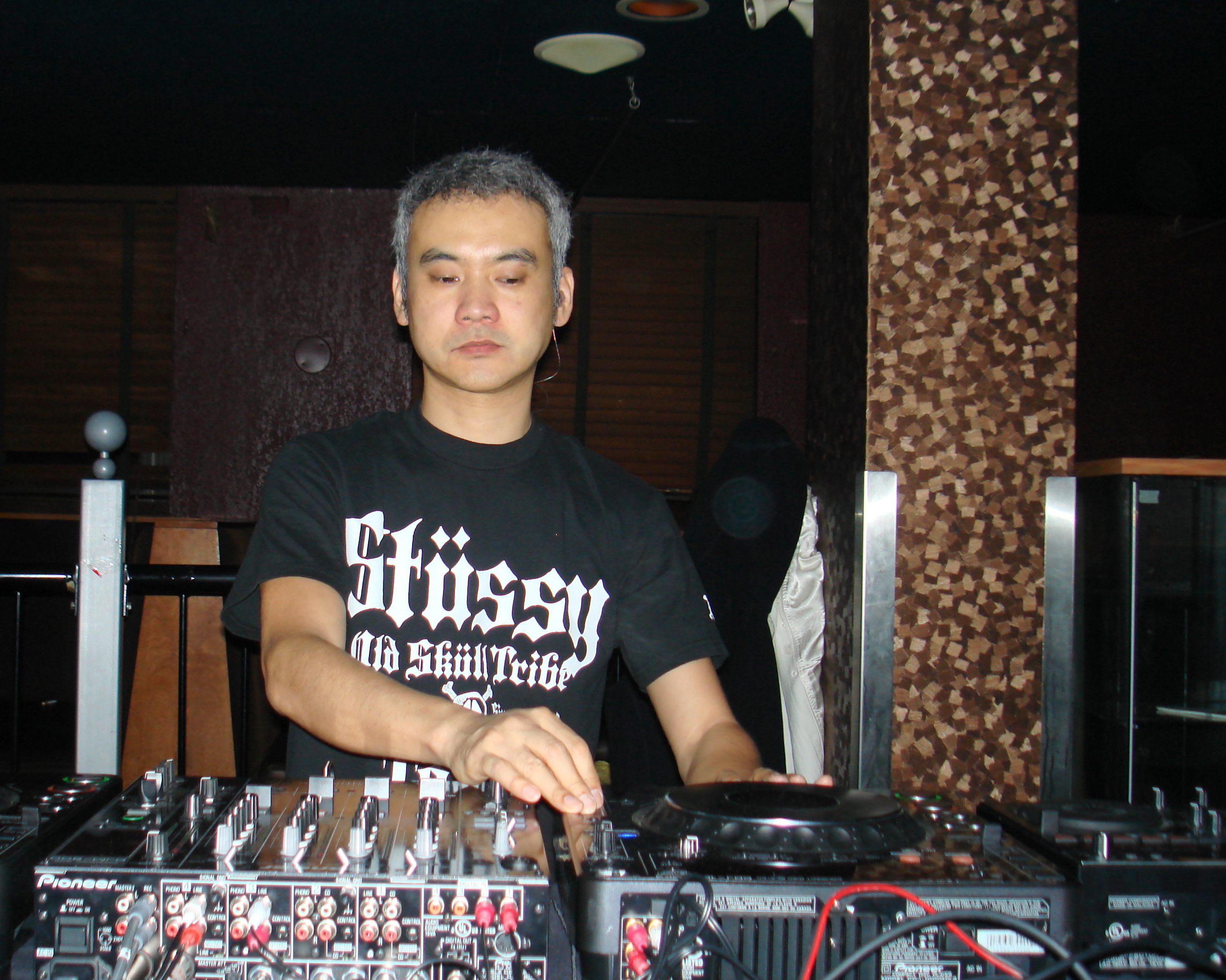
This article takes us to the Land of the Rising Sun and shows how house music made its way to Japan. Who was instrumental in this? – Satoshi Tomiie. In the late ’80s, Japan’s club culture was still in its infancy. DJs mostly played international records, and understanding of what house truly was remained limited. In this environment, Tomiie – alongside a few other pioneers like Ko Kimura and Shinichiro Yokota – became one of the key figures bridging the pulsating underground scene of the USA with the emerging Japanese dance culture.
From Jazz and Hip-Hop to House: The Early Days of Satoshi Tomiie
Satoshi Tomiie was born in 1966 in Tokyo and discovered his passion for music at an early age. Originally, he played jazz piano and was fascinated by artists like Miles Davis. In his youth, he experimented with hip-hop beats, used turntables for scratches, and began recording his own tracks. This combination of musical versatility and technical curiosity eventually led him to electronic music. He was particularly captivated by the rhythm and sound design of house, and he started immersing himself deeply in the genre. A pivotal factor was his interest in drum machines, especially the Roland TR-909, which he still uses today, as he emphasized in a 2019 interview with Iconic Underground Magazine:
“I started hunting down the 808 machines and back then they weren’t that easy to get, eventually, I found a TR 909 in the end which I still have to this day and have it on my desk in front of me.”
„Tears“ (1989)
Collaboration with Frankie Knuckles and International Breakthrough
Tomiie’s career really took off in 1989 when he produced the track Tears together with Frankie Knuckles and vocalist Robert Owens. The record became not only a club hit but also an all-time classic in the house scene, bringing Tomiie international recognition. His first encounter with Knuckles happened rather by chance: one of Tomiie’s friends was working for a company in Tokyo that flew Knuckles in for an event. Tomiie, then in his early twenties, seized the opportunity to meet the house legend in person. This moment proved to be a real game-changer. Knuckles recognized Tomiie’s talent, and this meeting sparked a creative connection that eventually led to Tears.
After this success, Tomiie knew one thing: he had to leave Japan and immerse himself in the international house scene. Soon after, he moved to the U.S., where he worked with David Morales and Def Mix Productions – one of the most influential DJ agencies at the time. While establishing himself in the American scene, he never lost touch with his homeland, bringing international influences back to Japan.
Satoshi Tomiie and the Japanese House Scene
During the 1990s, Japan’s house and club culture grew immensely. Legendary clubs emerged in Tokyo and Osaka, hosting both international DJs and local talent. While DJs like Larry Levan and David Morales performed in Japan, independent sounds and styles also developed, blending jazz, soul, and electronic elements. Tomiie played a pivotal role in this evolution, acting both as a producer and DJ, bridging musical influences between East and West.
His impact extended beyond DJ sets. In 2001, he founded SAW Recordings, a label focused on innovative house and techno productions. This not only provided a platform for his own work but also supported other artists in creating progressive electronic music. Over the following years, he released numerous tracks, including his acclaimed album Full Lick (1999), which cemented his unique style at the intersection of house and techno.
Satoshi’s Masterpiece: Full Lick (1999)
The Legacy of Satoshi Tomiie
With his hybrid approach, Tomiie transformed the house scene by combining the raw character of classic dance music with a refined, experimental precision. Even today, with residences in New York and Paris, he remains a global figure, representing the unique house sound from Japan worldwide through his releases and DJ sets. His contributions to the development of house music and his influence on Japanese club culture are still felt today. For anyone looking to explore Japan’s house scene in depth, Satoshi Tomiie’s sound offers the perfect entry point.
Press Play: Satoshi Tomiie b2b Tomoki Tamura
Bandcamp
Teaser: Satoshi Tomiie.jpg, Raj Taneja from Vancouver, CA, CC BY 2.0:
